BABY ESSENTIALS SALE 🤎 - 40% OFF & FREE SHIPPING:
JollyBoo
2-in1 Hip Seat Carrier — Camel Brown
6 carry positions — front, hip & back carry from 4 months all the way to 4 years old
Built-in hip seat — takes baby's full weight off your arms so you never fatigue
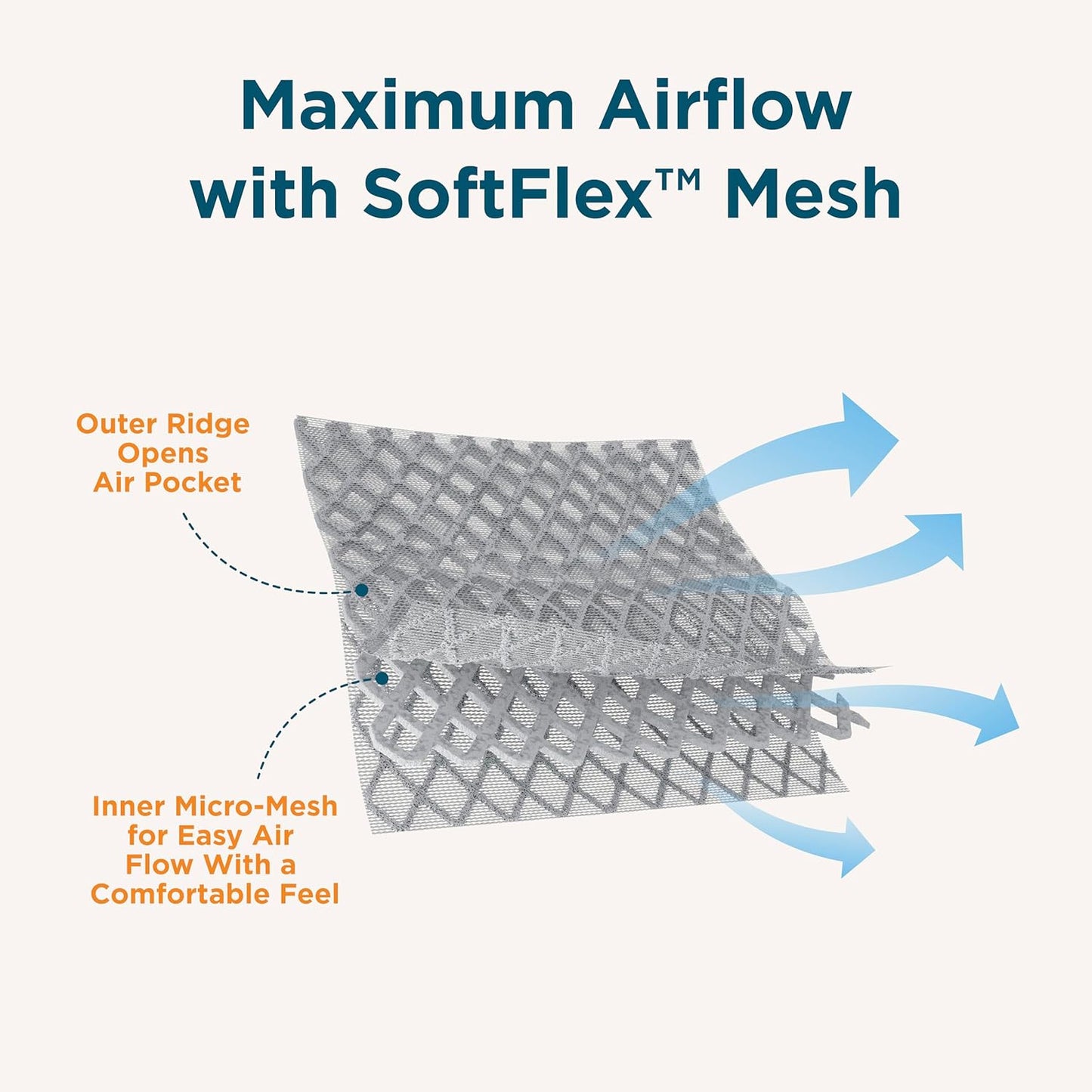
SoftFlex mesh keeps baby cool — maximum airflow prevents overheating on the go
Works for mom AND dad — adjustable waistband fits all body sizes, no readjusting
Couldn't load pickup availability

The 2-in-1 Hip Seat Carrier is a versatile, ergonomic travel solution designed to adapt as your child grows from an infant to an active toddler. Its signature 2-in-1 design allows it to function as a full structured carrier or a simplified standalone hip seat.
To use the 2-in-1 Hip Seat Carrier effectively, follow these steps to ensure both your comfort and your baby's safety.
The 2-in-1 Hip Seat Carrier is a versatile, ergonomic travel solution designed to adapt as your child grows from an infant to an active toddler. Its signature 2-in-1 design allows it to function as a full structured carrier or a simplified standalone hip seat.
To use the 2-in-1 Hip Seat Carrier effectively, follow these steps to ensure both your comfort and your baby's safety.
1. Putting on the Waistband
The waistband provides 90% of the support, so it must be secure.
- Position: Place the carrier around your natural waist (not your hips).
- Secure: Fasten the large Velcro strip first, ensuring it is tight.
- Double Lock: Clip the safety buckle over the Velcro and pull the strap until the fit is snug.
- Rotation: Once tight, rotate the seat so the platform is in front of you.
2. Attaching the Carrier (Full Mode)
If you want hands-free support, you must attach the upper harness.
- Zip & Clip: Align the zipper on the upper harness with the one on the hip seat. Zip it completely and snap the security buttons on either side of the zipper.
- Place Baby: Hold your baby against your chest. While supporting them with one hand, slide your arms through the shoulder straps one at a time.
- Back Buckle: Reach behind your neck to clip the horizontal chest/back strap. This prevents the shoulder straps from sliding off.
3. Adjusting for Baby's Comfort
- The M-Position: Ensure your baby’s bottom is deep in the seat and their knees are higher than their hips (forming an "M" shape).
- Airway Check: Their chin should never be pressed against their chest. You should be able to fit two fingers between their chin and the carrier.
- Height: The baby should be "close enough to kiss"—you should be able to tip your head forward and kiss the top of their head easily.
4. Using the Hip Seat Only
For active toddlers who want to be picked up and put down frequently:
- Detach: Unzip the upper harness and remove it.
- Side or Front: You can shift the seat to sit directly on your hip bone or keep it centered in front.
- Safety Note: When using the seat alone, always keep one arm around your child. The seat provides the support, but you provide the stability.
1. Putting on the Waistband
The waistband provides 90% of the support, so it must be secure.
- Position: Place the carrier around your natural waist (not your hips).
- Secure: Fasten the large Velcro strip first, ensuring it is tight.
- Double Lock: Clip the safety buckle over the Velcro and pull the strap until the fit is snug.
- Rotation: Once tight, rotate the seat so the platform is in front of you.
2. Attaching the Carrier (Full Mode)
If you want hands-free support, you must attach the upper harness.
- Zip & Clip: Align the zipper on the upper harness with the one on the hip seat. Zip it completely and snap the security buttons on either side of the zipper.
- Place Baby: Hold your baby against your chest. While supporting them with one hand, slide your arms through the shoulder straps one at a time.
- Back Buckle: Reach behind your neck to clip the horizontal chest/back strap. This prevents the shoulder straps from sliding off.
3. Adjusting for Baby's Comfort
- The M-Position: Ensure your baby’s bottom is deep in the seat and their knees are higher than their hips (forming an "M" shape).
- Airway Check: Their chin should never be pressed against their chest. You should be able to fit two fingers between their chin and the carrier.
- Height: The baby should be "close enough to kiss"—you should be able to tip your head forward and kiss the top of their head easily.
4. Using the Hip Seat Only
For active toddlers who want to be picked up and put down frequently:
- Detach: Unzip the upper harness and remove it.
- Side or Front: You can shift the seat to sit directly on your hip bone or keep it centered in front.
- Safety Note: When using the seat alone, always keep one arm around your child. The seat provides the support, but you provide the stability.
Dual Functionality: Use the full carrier with shoulder straps for hands-free bonding, or unzip the top attachment to use the standalone hip seat for quick "up and down" transitions.
Ergonomic Support: Features a firm, padded seat that ensures your baby stays in the "M-position" (hips higher than knees), which is critical for healthy joint development.
Parental Comfort: Includes a wide, reinforced waistband with lumbar support to redistribute the child's weight from your spine to your hips, reducing lower back strain.
Multiple Carry Positions: Supports up to 6 different configurations, including front-facing (inward and outward), back carry, and side-hip carry.
Integrated Storage: The seat base often includes a built-in storage pouch (acting like a fanny pack) to hold essentials like diapers, wipes, and your phone.
Breathability: Usually crafted with 3D mesh fabric panels to maximize airflow, keeping both you and your baby cool during long walks.
Dual Functionality: Use the full carrier with shoulder straps for hands-free bonding, or unzip the top attachment to use the standalone hip seat for quick "up and down" transitions.
Ergonomic Support: Features a firm, padded seat that ensures your baby stays in the "M-position" (hips higher than knees), which is critical for healthy joint development.
Parental Comfort: Includes a wide, reinforced waistband with lumbar support to redistribute the child's weight from your spine to your hips, reducing lower back strain.
Multiple Carry Positions: Supports up to 6 different configurations, including front-facing (inward and outward), back carry, and side-hip carry.
Integrated Storage: The seat base often includes a built-in storage pouch (acting like a fanny pack) to hold essentials like diapers, wipes, and your phone.
Breathability: Usually crafted with 3D mesh fabric panels to maximize airflow, keeping both you and your baby cool during long walks.
• Free shipping on all orders
• Processing time: 1–2 business days
• Delivery time: 3 business days
Tracking information is sent once your order ships.
• Free shipping on all orders
• Processing time: 1–2 business days
• Delivery time: 3 business days
Tracking information is sent once your order ships.
At JollyBoo, your satisfaction comes first.
We offer a 30-day return policy.
If you are not satisfied with your purchase, please contact us at contact@jollyboobaby.com and our team will assist you with the return process.
At JollyBoo, your satisfaction comes first.
We offer a 30-day return policy.
If you are not satisfied with your purchase, please contact us at contact@jollyboobaby.com and our team will assist you with the return process.
Safety Checklist
- Always keep your baby within arm’s reach and under direct supervision.
- Always place the JollyBoo Infant Lounger on the floor or on a firm, flat surface.
- Never place the lounger in a bed, crib, or any sleep environment.
- Never use the lounger on elevated or high surfaces.
- If your baby falls asleep in the lounger, move them to a safe sleep space immediately.
- Never carry or move the lounger while your baby is inside.
- Do not place blankets, pillows, or additional padding inside the lounger.
- Do not use the lounger if it becomes damaged.
- Babies may roll, crawl, or move unexpectedly — continuous supervision is required.
Safety Checklist
- Always keep your baby within arm’s reach and under direct supervision.
- Always place the JollyBoo Infant Lounger on the floor or on a firm, flat surface.
- Never place the lounger in a bed, crib, or any sleep environment.
- Never use the lounger on elevated or high surfaces.
- If your baby falls asleep in the lounger, move them to a safe sleep space immediately.
- Never carry or move the lounger while your baby is inside.
- Do not place blankets, pillows, or additional padding inside the lounger.
- Do not use the lounger if it becomes damaged.
- Babies may roll, crawl, or move unexpectedly — continuous supervision is required.
How to use your hip seat carrier
Versatile Carry Positions
Ergonomic Seat
Ultimate Airflow
Easy to Put On
What makes our hip seat carrier different
- Ergonomic hip support
- Two-In-One functionality
- Carry options for different needs
- Breathable mesh material
- Ergobaby craftsmanship